PCS to JBER? How Peters Creek Fits Into Your Housing Plan
May 28, 2026
May 28, 2026
If you’re PCSing to JBER, one housing question tends to come up fast: how far out are you willing to live for more space? That tradeoff matters in Alaska, where commute time, winter driving, and property layout can affect your daily routine in real ways. If Peters Creek is on your radar, this guide will help you weigh the space, drive, and lifestyle factors so you can decide whether it fits your PCS plan. Let’s dive in.
Peters Creek sits within the broader Eagle River and Chugiak corridor inside the Municipality of Anchorage. The area is northeast of Anchorage, with the Glenn Highway serving as the main connection to the rest of the city and to JBER. Residential areas, undeveloped land, and park space all shape the feel of this part of the map.
For many PCS buyers, that matters because Peters Creek offers a different living pattern than more in-town options. Instead of a compact, more walkable setup, you’re generally looking at a lower-density area where space and privacy play a bigger role in the decision.
When you compare Peters Creek with neighborhoods closer to base, the commute is usually not the shortest option. But depending on which side of JBER you need to reach, it can still be workable if you plan around it.
JBER has five gates. According to the official PCS overview and base access information, the Richardson Gate is the first gate on the Glenn Highway and offers the direct route to the Army side, while the Boniface Gate provides a direct route to the Air Force side. Richardson and Boniface are currently open 24/7.
A current PCS-oriented guide estimates normal drive times from Chugiak and Peters Creek at about 20 to 30 minutes to Richardson Gate and 25 to 35 minutes to Boniface Gate. In winter conditions or heavier traffic, you should expect that window to stretch.
If your workdays center on the Army side, Peters Creek may feel more manageable because Richardson Gate is the direct route from the Glenn Highway. If you need the Air Force side more often, your drive to Boniface may take a bit longer.
That does not make Peters Creek a poor choice. It simply means your gate, reporting time, and tolerance for drive variability should be part of the housing plan from the start.
If you are looking for condos or a dense neighborhood layout, Peters Creek likely will not be your best match. Current inventory points to a market that is heavily oriented toward detached homes.
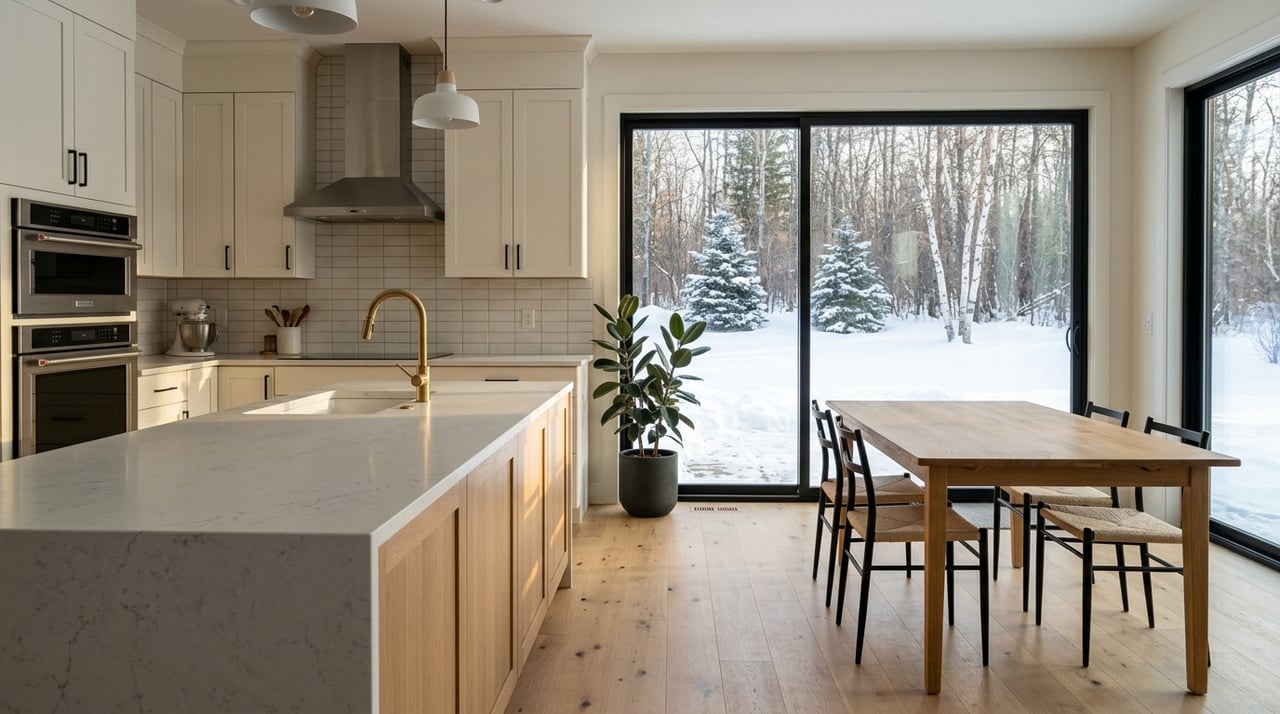
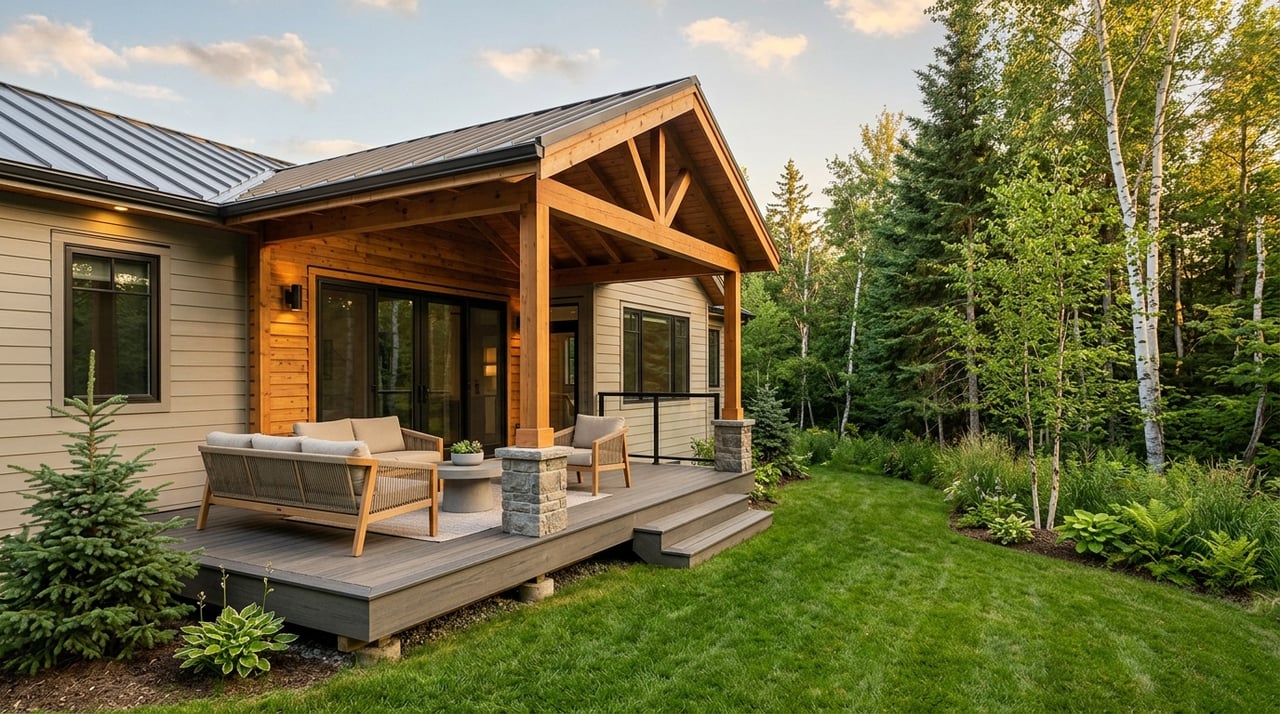
Recent Peters Creek and Chugiak listings show 3- to 5-bedroom single-family homes ranging from about 1,100 to 4,500 square feet. Current listings and land offerings also show a strong acreage pattern, including homes on roughly 0.56 acres, 1.25 acres, and 2.5 acres, along with land parcels around 1.75 and 11.96 acres.
The municipal Chugiak-Eagle River land-use map supports that pattern, with very low-density residential designations that range below one dwelling per acre to one dwelling per acre. In plain terms, Peters Creek tends to attract buyers who want more land, more separation between properties, and a lower-density setting.
For a broad benchmark, Zillow places the average Chugiak home value at $503,459 as of April 30, 2026. That number is not a price for every Peters Creek home, but it does help frame the wider market.
For PCS buyers, the key point is less about one average number and more about what you are buying into. In Peters Creek, your housing dollars may be going toward lot size, privacy, and detached-home living rather than walkability or a condo-style setup.
In Alaska, commute planning is not just about distance on a map. Winter conditions can change how a drive feels and how much margin you need each morning.
Alaska 511 reports winter road conditions daily from about October through May. Its guidance notes that roads can still be passable while carrying packed snow, icy patches, standing water, blowing snow, and reduced visibility. Alaska DOT also advises drivers to slow down, leave extra room for stopping, watch for snow removal equipment, and keep winter emergency supplies in the vehicle.
For a JBER household in Peters Creek, that means you should build in extra flexibility, especially during winter mornings. A drive that looks simple in July may require more buffer time in January.
If you are considering Peters Creek, it helps to think through your normal workday before you buy. A realistic routine may include:
This is one of the clearest examples of Alaska-specific planning. Peters Creek can work well, but it works best for households that are comfortable adjusting to seasonal driving conditions.
Transportation in Peters Creek is another major factor for PCS buyers. Downtown Peters Creek is currently rated car-dependent by Redfin, with a Walk Score of 19 out of 100.
The Municipality’s microtransit zone for Chugiak and Eagle River is designed to help connect areas without fixed-route bus service. That can be useful, but it should be viewed as supplemental rather than a replacement for your main transportation.
For most households, Peters Creek functions as a primary-car lifestyle. If you want the ability to run most errands on foot, this area probably will not line up with that goal.
Even with the commute and car dependence, Peters Creek can be a strong fit for the right buyer. The appeal usually comes down to space, privacy, and a quieter setting.
The broader Eagle River and Chugiak parks service area serves about 35,000 residents and maintains more than 2,500 acres of parkland and about 60 miles of trails. That outdoor access supports a daily rhythm that many Alaska buyers value, especially if you want your home life to feel a little more removed from busier in-town patterns.
For some military households, that tradeoff is worth it. If your priority is a larger lot, a detached home, and a lower-density environment, Peters Creek may offer a lifestyle match that closer-in neighborhoods do not.
Peters Creek tends to fit best when your household priorities are clear. It is usually a better match if you are intentionally choosing space and privacy over the shortest possible commute.
You may want to put Peters Creek near the top of your list if you are looking for:
You may want to look closer to base if you need:
A PCS move adds time pressure, and that can make any area look simpler than it really is. In Peters Creek, a smart decision usually comes from asking a few practical questions early.
These questions help turn a broad online search into a decision that reflects how you will actually live. That is especially important when you are buying from out of state or under tight PCS timelines.
Peters Creek is not the shortest-commute option for JBER, but it can be a strong fit if your household values land, space, and a quieter setting enough to plan carefully around the drive. That is the real tradeoff.
When you are relocating to Alaska, details like gate access, winter roads, lot size, and daily transportation are not side issues. They are part of the housing decision itself. If you want help building a smart PCS plan around Peters Creek, the veteran-led team at Tristan Smith Realty Group can help you map the options with clear communication and Alaska-specific guidance.
Rooted in trust, expertise, and sincere dedication, we bring a lifelong appreciation of what “home” means to every client and every move.