
Breaking the Dam
Tristan Smith November 30, 2025
Tristan Smith November 30, 2025
In the heart of an Alaskan winter, few things are as sneaky—and as damaging—as an ice dam forming along your roof. For those new to the region or seasoned locals alike, understanding ice damming is key to protecting your home from a cascade of costly issues.
Picture this: after a heavy snowfall, warmth from your home causes the snow on your roof to melt. As the water trickles down, it hits the cold eaves and refreezes, creating a ridge of ice. This icy barrier, or "dam," traps additional melting snow, forcing water back under your shingles and into your home. The result? Leaks, water stains, peeling paint, and even mold growth.
Ice dams can wreak havoc on your home. Beyond the obvious water damage, they can compromise insulation, warp wood, and even lead to structural issues. In Alaska’s climate, where freeze-thaw cycles are common, the risks multiply. Homeowners and buyers need to be especially vigilant, as unchecked ice damming can turn a cozy haven into a repair nightmare.
Ice damming is a challenge every Alaskan homeowner should be prepared for, but with a few proactive steps, you can keep your home safe and dry all winter long. If you’re buying a home, ask about past ice dam issues and the steps taken to prevent them.
Don’t let winter catch you off guard—break the dam before it breaks your peace of mind!
For more tips, local expertise, or help with your Alaskan home, feel free to reach out directly:
Visit my website for more resources and listings: Tristan Smith Real Estate
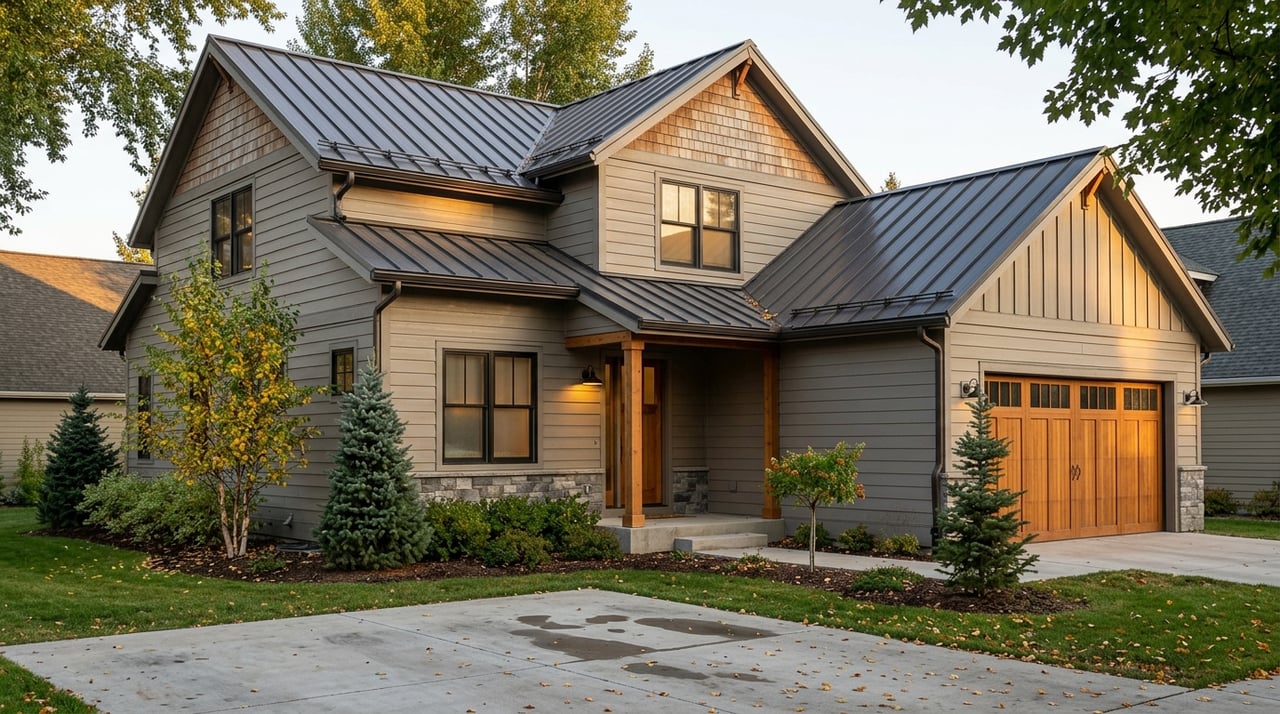
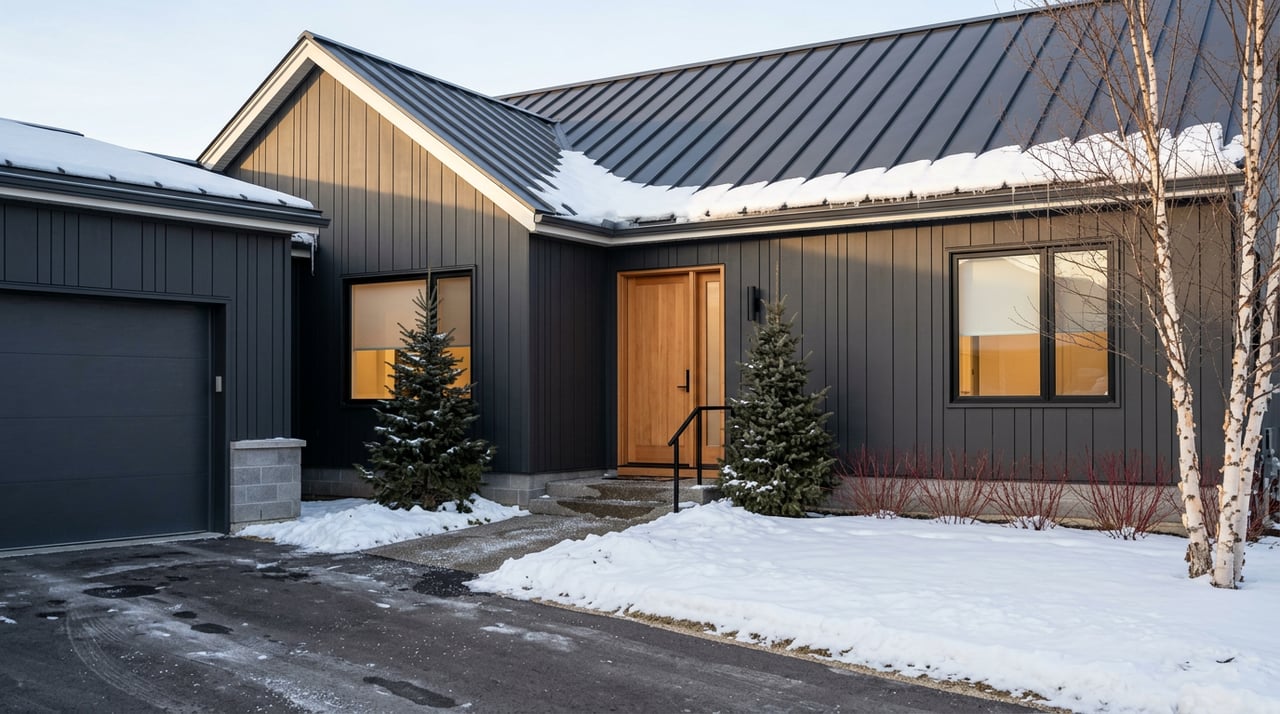
Understanding ice damming is key to protecting your home from costly issues.

Follow these golden rules to keep your septic system in top shape.

Here are the top five things to maintain in your home this winter.
Rooted in trust, expertise, and sincere dedication, we bring a lifelong appreciation of what “home” means to every client and every move.