Selling a Home in Anchorage: Staging, Photos, and Pricing
March 24, 2026
March 24, 2026
Thinking about selling your Anchorage home in the next year? You have a unique advantage if you plan well. In our market, smart staging, strong photos, and data-backed pricing can shorten your days on market and improve your bottom line. This guide gives you a clear, Alaska-specific plan you can follow, whether you list in the bright days of June or the snowy calm of January. Let’s dive in.
Recent public market trackers place Anchorage’s median home value in the upper $300s to low $400s. Different providers use different methods, so expect some variance. What matters most is pricing off current local comps from the past 30 to 90 days and aligning that price with a standout presentation. In a low-inventory market, the homes that look best and are priced right still move faster.
Anchorage follows a strong spring and early summer cycle. Listings tend to move fastest from late winter into summer, with April through July often delivering strong results. HomeLight’s Anchorage analysis highlights those higher-opportunity months. If timing is tight, a well-presented winter listing can still perform, especially if you manage curb appeal, light, and safety.
Anchorage’s daylight shifts are dramatic. You get roughly 19 hours of light near June and about 5 hours near December. That changes photography windows, showing schedules, and how your home feels to buyers. Plan for bright mid-day photos in winter and consider evening twilight shots in summer. Learn more about Alaska’s daylight patterns from Travel Alaska’s overview.
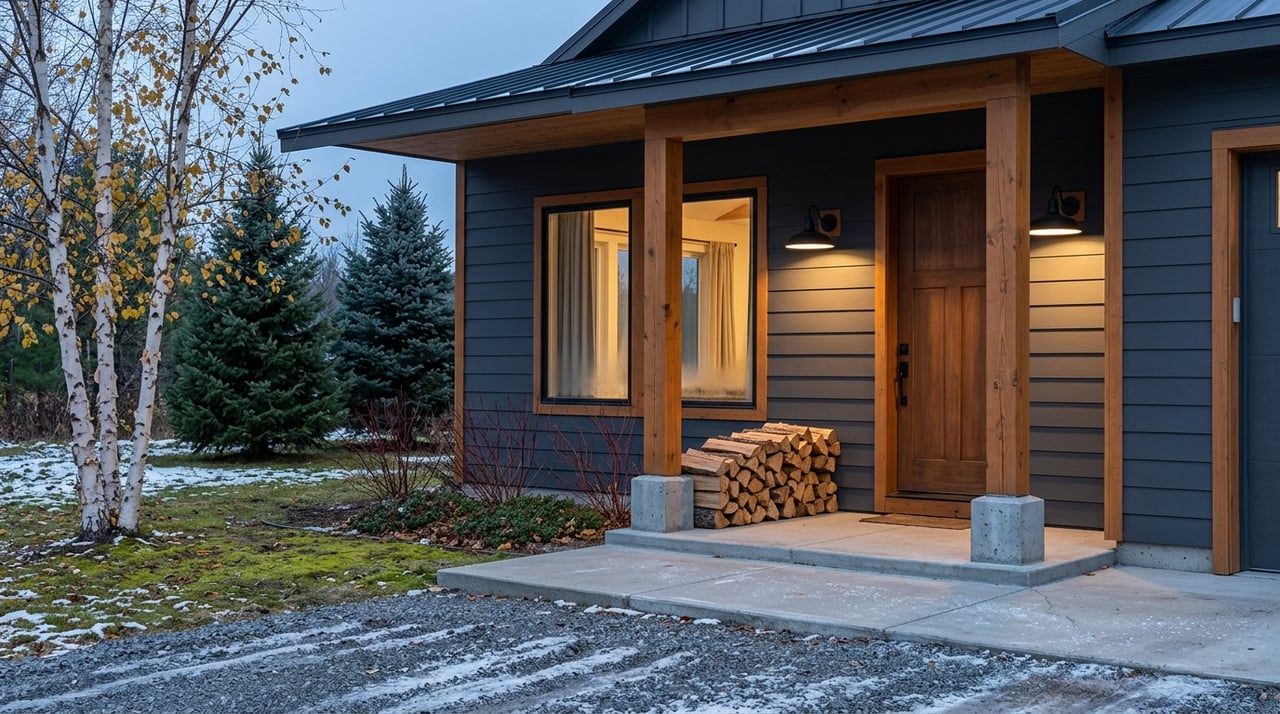
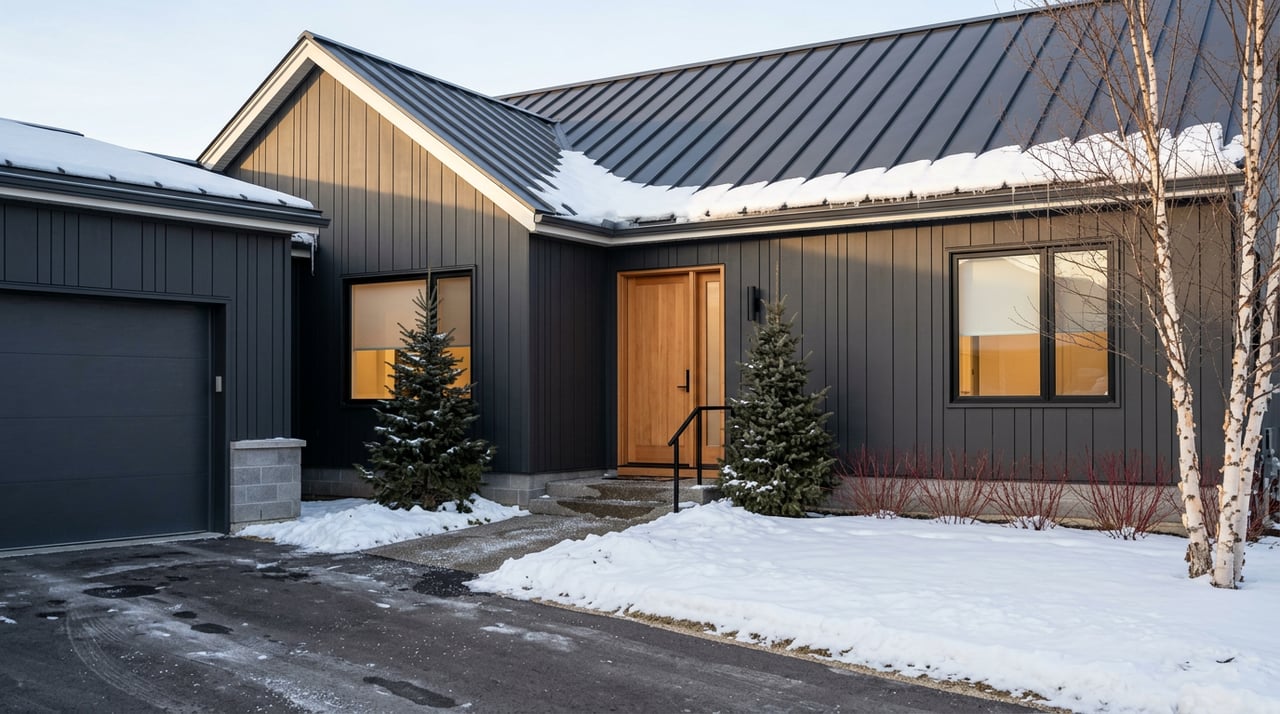
A clean, safe exterior makes a strong first impression and protects visitors during showings. Use this quick list:
If you can time your list date to spring or early summer, your exterior will do more of the selling for you. Focus on:
If you list in winter and remain active into spring, plan a quick photo refresh when the landscaping is green. That simple update can boost online engagement.
Staging makes it easier for buyers to picture themselves in your home. The National Association of REALTORS reports that many agents see staging reduce time on market and, in some cases, increase offer amounts. Review the survey findings in the 2025 NAR Profile of Home Staging.
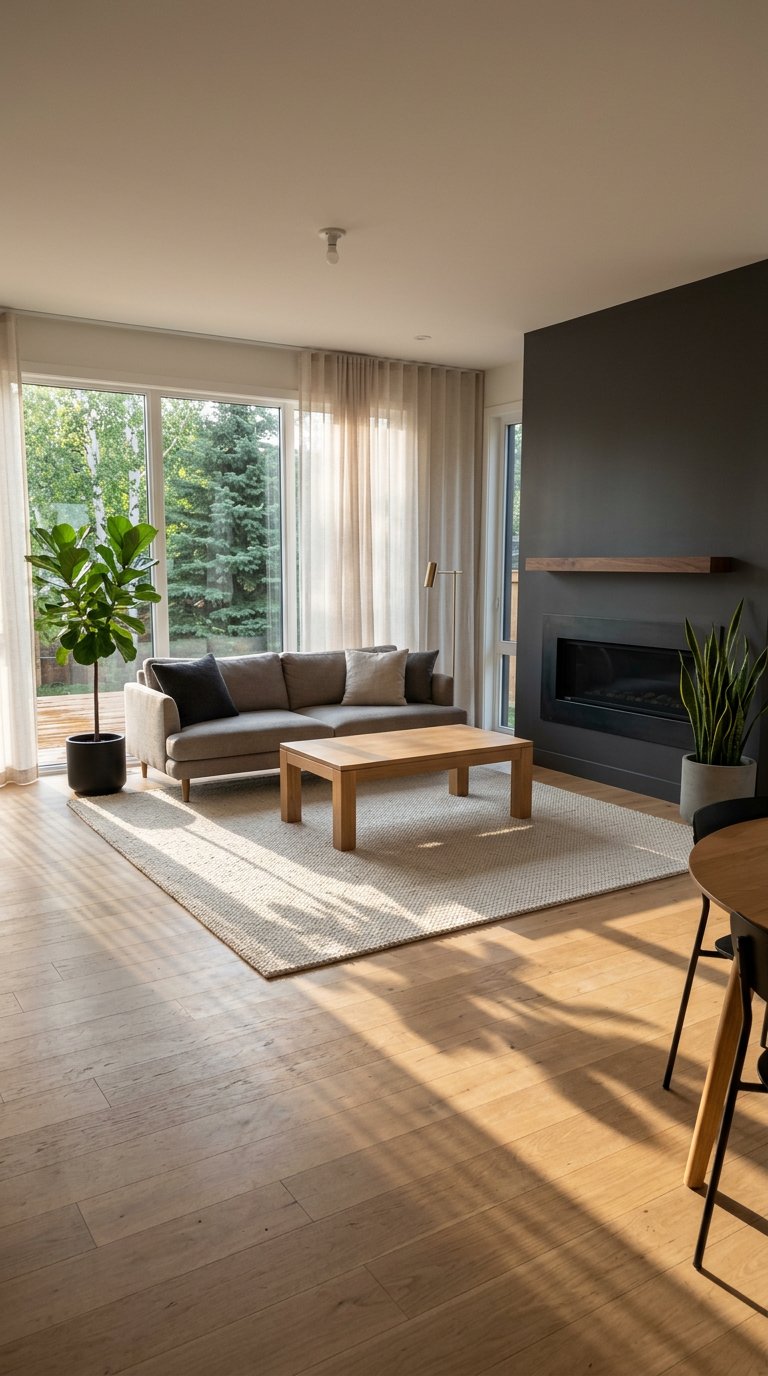
Focus on the spaces buyers remember most: living room, kitchen, and primary bedroom.
Vacant rooms can feel smaller and colder in photos. Virtual staging is a cost-effective way to show scale and layout. Always disclose when images are virtually staged and pair them with accurate floor plans or a 3D tour. NAR’s research supports the value of staging in buyer perception and speed to offer. You can review that research in the NAR staging profile.
Online is the first showing. High-quality photos, floor plans, and 3D tours draw more clicks and help serious buyers stay engaged longer. Industry guides report that immersive media often correlates with more views and faster sales. Learn how 3D tours support engagement in this HomeJab overview.
Anchorage also attracts remote and military-connected buyers. Clear photos, detailed floor plans, and a virtual walk-through can convert remote interest into in-person showings and offers. Local military housing resources, such as Aurora Military Housing’s overview of JBER, reflect the steady presence of service members in the area, which can support demand year-round.
Aerials can show lot lines, views, and neighborhood context. If you use a drone, hire a certified commercial operator. Paid real estate flights must follow FAA Part 107 rules, include Remote ID where required, and obtain airspace authorization when needed. Anchorage’s major airport increases the chance that authorizations apply. Review the FAA’s guidance for commercial drones here: FAA UAS getting started.
Work with your agent to look at current MLS comps, particularly sales from the last 30 to 90 days and the pending pipeline. Decide if you want to price for maximum exposure or to test the upper band. In a market where good homes still sell quickly, pairing accurate pricing with strong staging and media can support more showings and better offers. NAR’s staging research reinforces that presentation influences both speed and perceived value. See the NAR staging report for survey insights.
The first 10 to 14 days tell you a lot. Watch showing volume, online saves, and repeat views. If activity is below expectations, consider a strategic adjustment: refresh the lead photo, tighten the price band, or add a 3D tour or twilight image. If you listed in winter and stay active into spring, plan a quick media refresh to capture curb appeal when the snow melts. For daylight context across seasons, see Alaska.org’s daylight guide.
9 to 12 months out
3 to 6 months out
2 to 4 weeks before listing
Listing week
You deserve a process that feels steady and predictable. Our veteran-led team brings a plan-first approach that fits Anchorage’s climate, timing, and buyer pool. Here is what you can expect when you list with us:
Ready to build your listing plan and timeline? Start with a confidential conversation. Connect with the Tristan Smith Realty Group.
Rooted in trust, expertise, and sincere dedication, we bring a lifelong appreciation of what “home” means to every client and every move.