What It’s Like To Live in Eagle River Year Round
March 26, 2026
March 26, 2026
Wondering what daily life in Eagle River really feels like when the seasons change and the snow flies? You’re not alone. Many buyers picture the mountain views and quick trail access, but want the full story on commutes, housing, and everyday routines. In this guide, you’ll get a clear look at year‑round living so you can decide if Eagle River fits your goals. Let’s dive in.
Eagle River sits about 12 miles north of downtown Anchorage along the Glenn Highway, inside the Municipality of Anchorage. It functions as a commuter suburb with its own strong valley identity and quick access to the Chugach foothills. The highway is the spine of daily travel, and state planning documents note regular peak‑hour merge delays at key interchanges. You get a quieter, suburban environment with city jobs within reach.
Quick take: Suburban homes, big mountains, car‑first commute, and fast trail access.
For many residents, the trade is simple. You live closer to trailheads and rivers, enjoy wooded neighborhoods, and still reach Anchorage job centers by car. According to a state DOT study on Eagle River interchanges, peak periods can slow traffic at the Hiland, Artillery, and North Eagle River interchanges, especially during southbound morning and northbound evening flows.
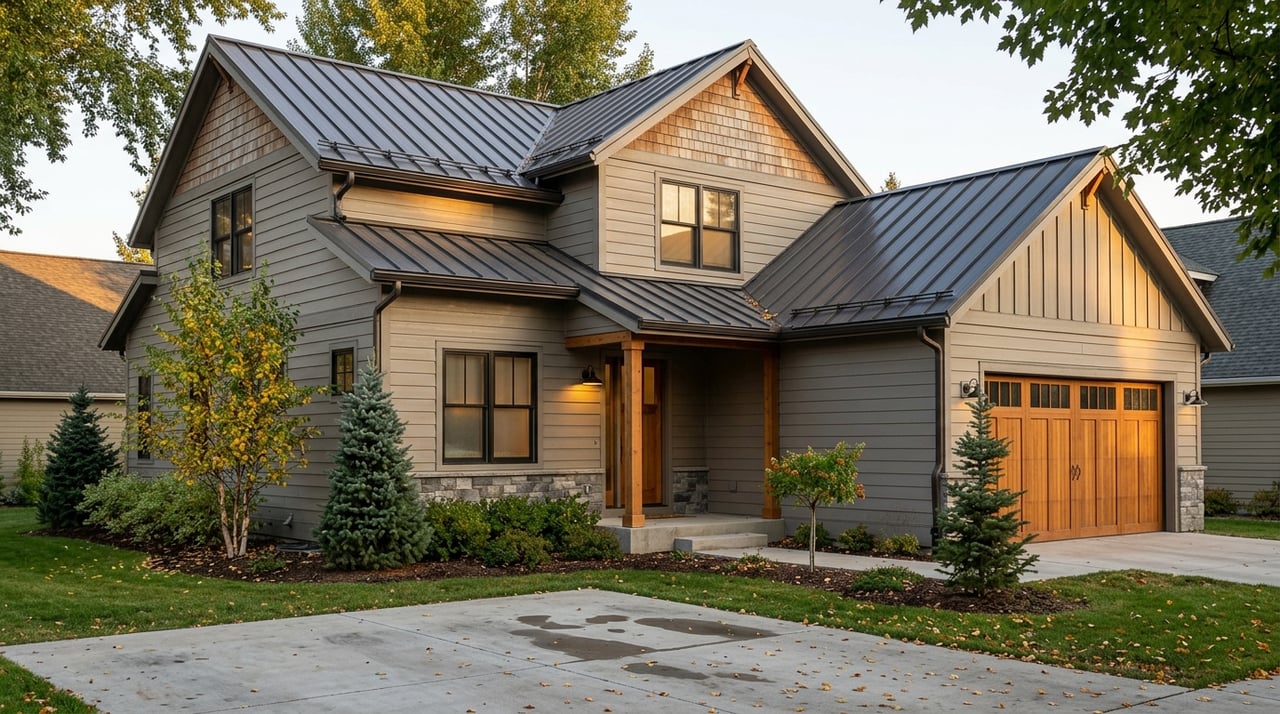
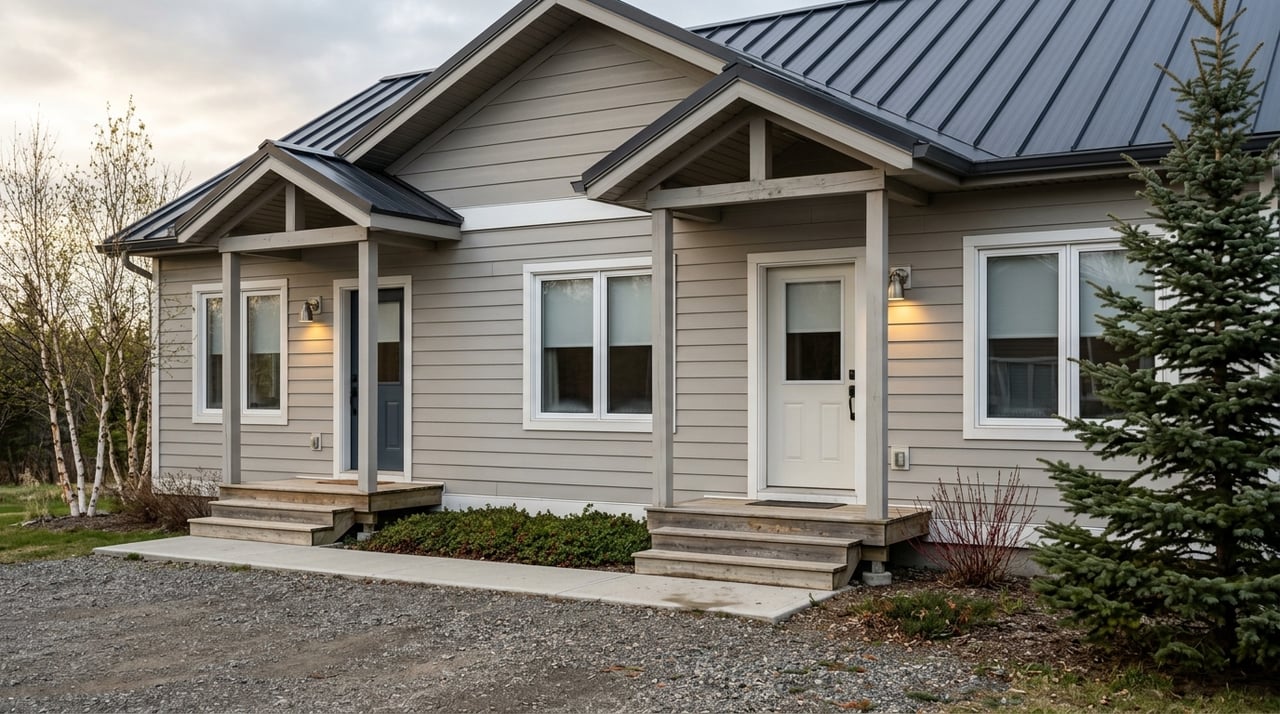
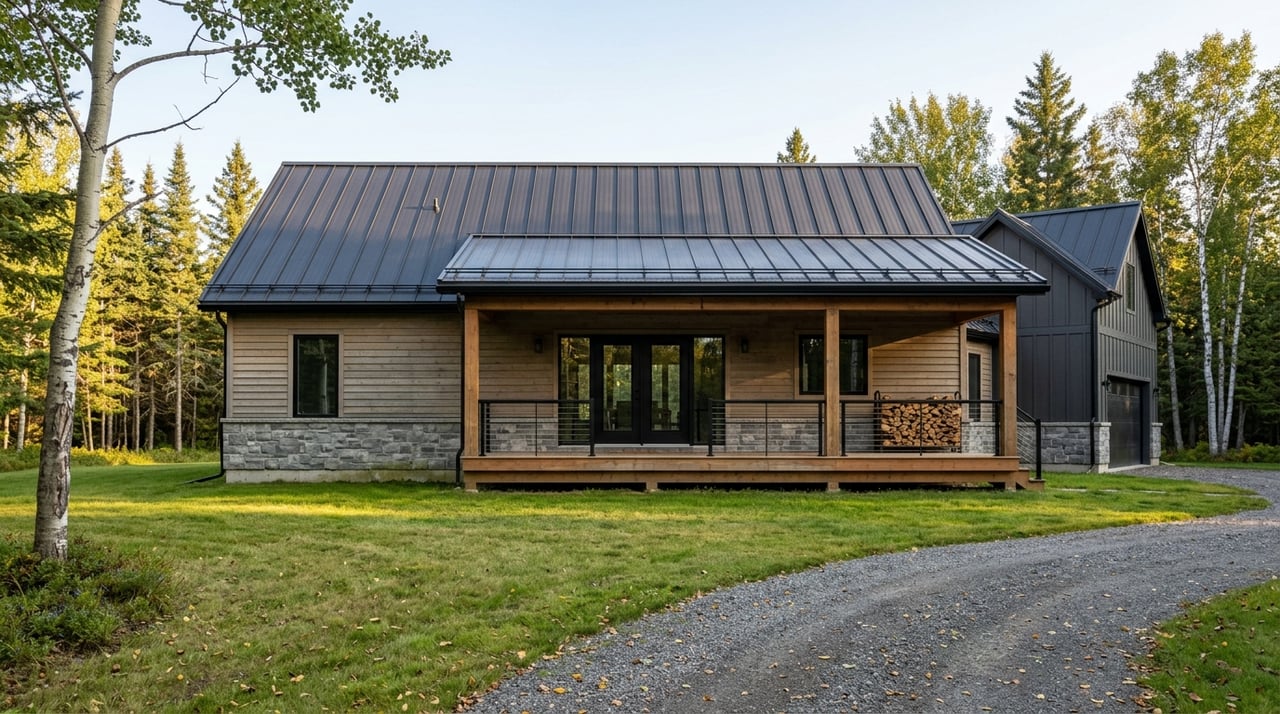
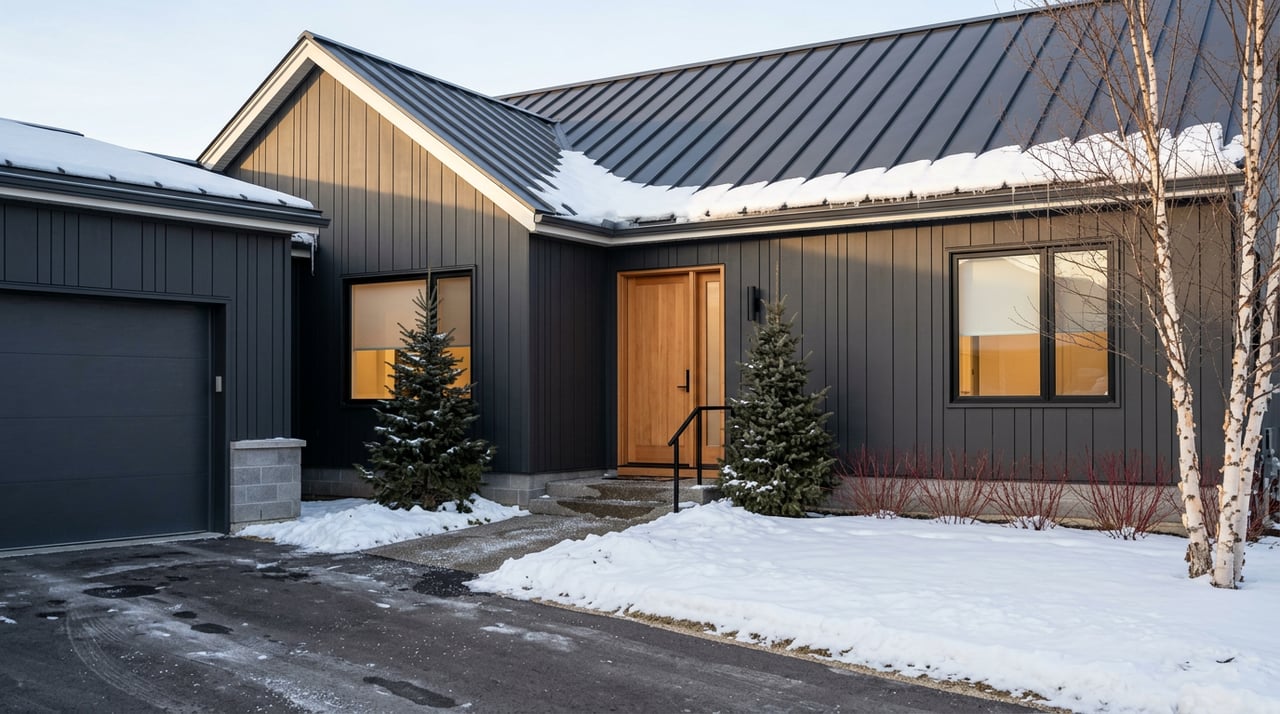
Most homes are single‑family properties in established subdivisions, with townhomes and condos near the core business corridor. You’ll also find mountain‑style and log homes up the valley, often with wooded lots. Municipal planning materials confirm a pattern of larger lots outside the center and more compact options closer to Old Glenn and Business Boulevard.
When it comes to prices, use ranges and current comps rather than one fixed number. Market snapshots vary by data source and method:
These differences are normal. Listing medians run higher than closed sales, and boundaries matter. If you’re serious about a purchase or sale, confirm current values with fresh MLS data for your specific neighborhood and home type.
You’ll drive the Glenn Highway for most trips into Anchorage job centers or JBER. As the DOT interchange study notes, peak‑hour merges are a known pinch point. Your actual travel time depends on departure time, destination, weather, and incidents.
There is a weekday commuter bus. The People Mover Route 92 runs between the Eagle River Transit Center and downtown during commuter windows. Check the current People Mover Route 92 schedule before you plan your ride. Park‑and‑ride capacity exists but is limited relative to overall demand, so most households still rely on at least one vehicle.
Recreation defines Eagle River living. The valley is a gateway to Chugach State Park, and locals build weekend plans around trail conditions and snow.
In winter, many local trails are groomed for skiing and fat‑biking. In shoulder seasons, traction devices are helpful on icy mornings. Before spontaneous outings, check trail conditions and parking rules so you pack the right gear and passes.
You can handle daily errands without leaving the valley. The central corridor hosts major grocers and pharmacies, plus local dining and service providers near Old Glenn and Business Boulevard. Hospital care is in Anchorage, while routine care is available through local clinics and outpatient offices. For schools, the area is served by the Anchorage School District, including Eagle River High School.
If you want a quieter evening scene, you’ll likely love the local rhythm. If you prefer frequent late‑night entertainment, you’ll head into town more often. Most residents balance both depending on the season and their schedule.
Eagle River’s climate mirrors the Anchorage bowl: mild summers compared to the Lower 48 and cold, snowy winters. Daylight swings are dramatic, with very long days in June and brief midwinter light. The Alaska Climate Research Center documents these seasonal norms and recent variability in snow seasons.
What that means for you: plan for winter driving with proper tires, routine vehicle checks, and extra windshield fluid. Budget for heating, and line up snow removal if you prefer not to shovel. The DOT also flags winter conditions as a planning concern, so give yourself extra time on storm days.
You might thrive here if you want a suburban setting with immediate access to wild spaces and you’re comfortable with a car‑first commute. If trails, skiing, and mountain views are central to your lifestyle, Eagle River delivers. If you expect dense urban amenities on your doorstep, the Anchorage core could suit you better, or you’ll plan for more frequent trips into town.
For military households inbound to JBER, Eagle River often balances space, access to outdoor recreation, and a manageable commute to base gates. The pattern of single‑family neighborhoods and proximity to trailheads also appeals to buyers looking for room to store gear and enjoy a true four‑season routine.
If Eagle River’s mix of space, trails, and commuter access lines up with your goals, we can help you plan the move with clarity. Our veteran‑led team brings mission‑focused guidance for Alaska’s terrain, seasonality, and timelines, including PCS‑ready workflows for JBER‑bound buyers. Ready to compare neighborhoods and get real‑time pricing? Start with a confidential consultation with the Tristan Smith Realty Group.
Rooted in trust, expertise, and sincere dedication, we bring a lifelong appreciation of what “home” means to every client and every move.