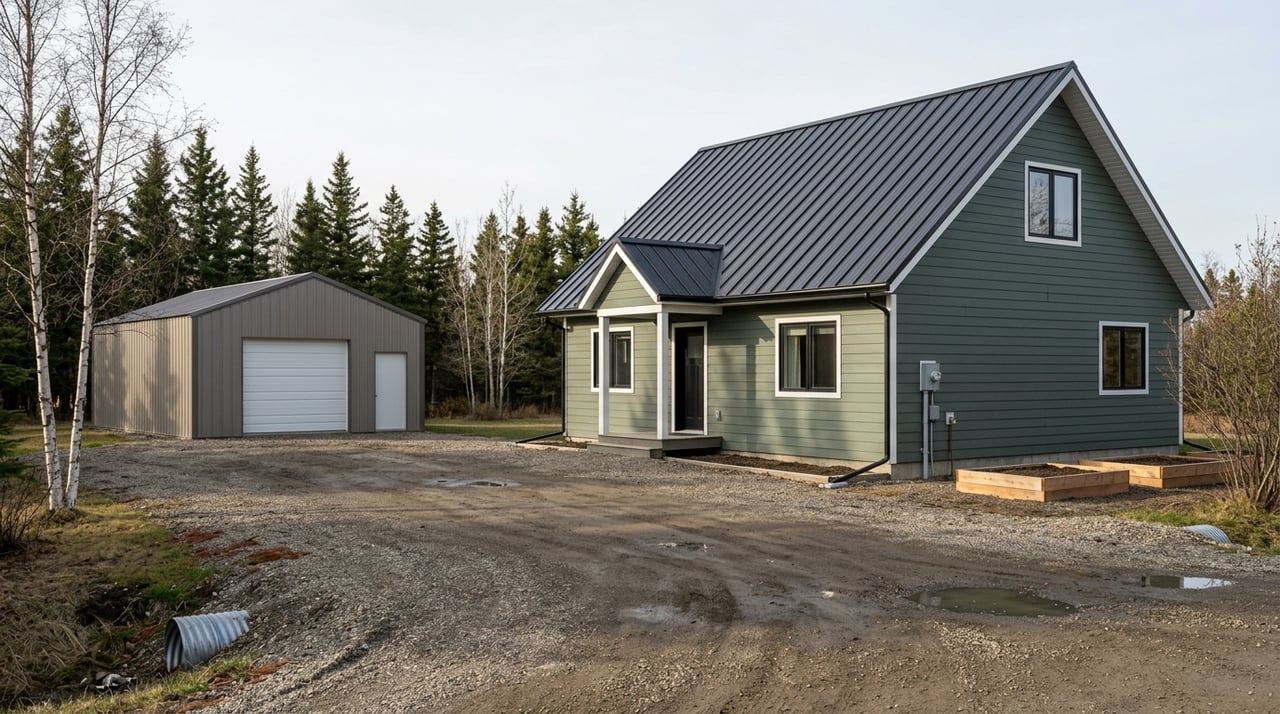
Guide To Buying Small Acreage and Hobby Farms in Palmer
April 23, 2026
April 23, 2026
Dreaming about a few usable acres in Palmer sounds simple until you realize that not all acreage works the same way. One parcel may support a productive garden, small pasture, and easy year-round access, while another with the same acreage may come with drainage issues, utility limitations, or tough winter logistics. If you want a hobby farm or small acreage that fits your goals, this guide will help you focus on the details that matter most before you buy. Let’s dive in.
Palmer sits in one of Alaska’s established agricultural corridors, and that history still matters today. The Alaska Plant Materials Center near Palmer is a 270-acre state facility that supports native plants and traditional crops, and the USDA NRCS describes the Matanuska-Susitna Valley as home to some of Alaska’s best agricultural soils.
That does not mean every parcel is equally farm-friendly. According to the NRCS overview of farming in Alaska, Palmer-area loess soils are generally more fertile, with nearly level terrace soils better suited to vegetables and grain crops, while hillsides are often more suitable for pasture and livestock.
When you shop for a small acreage property, it is easy to focus on the total number of acres. In Palmer, the better question is whether the land actually supports how you plan to use it.
Two five-acre properties can feel completely different in practice. Slope, lot shape, drainage, and wind exposure can affect where you place a garden, whether animals have usable space, and how easily you can move equipment around the property.
The NRCS guide notes that wind and spring drainage issues can affect planting and field access in the Mat-Su Valley. That means you should walk the land with your intended use in mind, not just the listing photos.
Palmer can absolutely support gardening and hobby-farm living, but your plans need to fit the climate. NOAA’s 1991-2020 normals for Palmer Muni AP, referenced through the Alaska Plant Materials Center, show an annual mean temperature of 37.1°F, annual precipitation of 12.61 inches, and annual snowfall of 169.2 inches.
That snowfall number matters. A property that looks manageable in summer may require a very different plan once winter snow storage, plowing, and access come into play.
The growing season also has limits. The University of Alaska Fairbanks Extension emphasizes that Alaska’s short, cool growing season makes transplants especially important, particularly for warm-season vegetables.
One of the biggest differences between Palmer-area acreage properties is utility setup. A parcel inside city service can be very different from one just outside city limits.
The City of Palmer utility page states that the city offers water, sewer, and in some areas refuse service. Some properties may also have access to natural gas, since ENSTAR’s service area includes Palmer, but buyers should confirm parcel-level availability and meter access before assuming anything.
If the property is not connected to municipal water and sewer, your due diligence needs to go deeper. Private systems can work well, but they require more verification during the buying process.
The Alaska DEC private wells guidance says private well owners are responsible for sampling and testing well water, and the state does not sample, test, or regulate private well water quality statewide. DEC also notes that minimum separation distances apply to private water systems.
For you as a buyer, that means you should confirm:
The DEC homebuyer septic guide recommends reviewing septic design and construction records, maintenance records, and the location of the system relative to wells, slope, drainage, soil conditions, and lot boundaries.
DEC also flags several warning signs that deserve closer review, including:
In Alaska, access is not a minor detail. For small acreage and hobby farms, it can shape your day-to-day quality of life just as much as the house or land itself.
The Mat-Su Borough says local road service areas can fund road construction, maintenance, plowing, and upgrades. Its road service area information and road maintenance resources show that maintenance can vary significantly by road and service area.
That is important for buyers who plan to commute, receive fuel deliveries, bring in hay, or use trailers and equipment. You want to know how the road is maintained, how the driveway functions in winter, and whether seasonal limits could affect heavy vehicles.
If a driveway or road approach encroaches into a public right-of-way, the borough requires a written permit. The Mat-Su Borough driveway permit application states that residential driveways should generally be 10 to 25 feet wide and makes the owner responsible for culvert maintenance, thawing, and snow removal.
The borough has also issued seasonal right-of-way opening notices that reference breakup conditions and weight restrictions on some roads. If your plans involve heavy deliveries or equipment, those seasonal realities should be part of your decision.
Many buyers assume they can figure out outbuildings after they move in. On a Palmer acreage property, that can be an expensive assumption.
The Mat-Su Borough states that building permits are required, and plans must be submitted for review before construction, alteration, repair, or a change in occupancy. That makes it smart to check barns, garages, sheds, shops, and greenhouses early in the buying process.
Setbacks matter too. The borough’s setback guidance says that outside certain special use districts and outside the cities of Palmer, Wasilla, and Houston, structures generally need to be 25 feet from a public right-of-way, 10 feet from side and rear lot lines, and 75 feet from lakes or watercourses. Within Palmer city limits, setback requirements should be confirmed with City Hall.
The borough also notes that zoning, land-use, and building regulations do exist, so you should verify your intended use before assuming future livestock areas, storage buildings, or other improvements will fit.
The right acreage for gardening is not always the right acreage for livestock. Palmer gives you options, but your search should start with your actual use case.
If your priority is vegetables or a large garden, the NRCS farming overview suggests that fertile, nearly level terrace soils near Palmer are typically better suited for vegetable and grain production. If your focus is small livestock or pasture, a hillside parcel may make more sense.
That is why a mission-focused buying plan matters. Instead of asking whether the parcel is “nice,” ask whether it supports your garden layout, animal setup, equipment storage, access pattern, and winter maintenance plan.
Before you move forward on a small acreage or hobby-farm property in Palmer, make sure you can answer these basics:
Buying acreage in Palmer can be a great move, but the best outcomes usually come from slowing down and checking the details early. That is especially true if you are relocating from outside the area, buying on a tight timeline, or trying to balance lifestyle goals with practical Alaska realities.
If you want a clear, step-by-step plan for evaluating small acreage and hobby farms in Palmer, Tristan Smith Realty Group can help you pressure-test the property, the access, and the long-term fit before you commit.
Rooted in trust, expertise, and sincere dedication, we bring a lifelong appreciation of what “home” means to every client and every move.