Using a Wasilla Duplex To Start Your House Hack Strategy
April 16, 2026
April 16, 2026
If you want to lower your housing cost and start building long-term wealth at the same time, a duplex in Wasilla may be one of the simplest ways to do it. House hacking is appealing because it lets you live in one unit while rent from the other helps offset your payment. In a market where prices and rents can vary property by property, the right plan matters. Let’s break down how a Wasilla duplex house hack works, what numbers to watch, and what details can make or break the deal.
In practical terms, a house hack usually means buying a duplex or small multifamily property, living in one unit, and renting out the other. For many buyers, that creates a path to homeownership with some built-in income support.
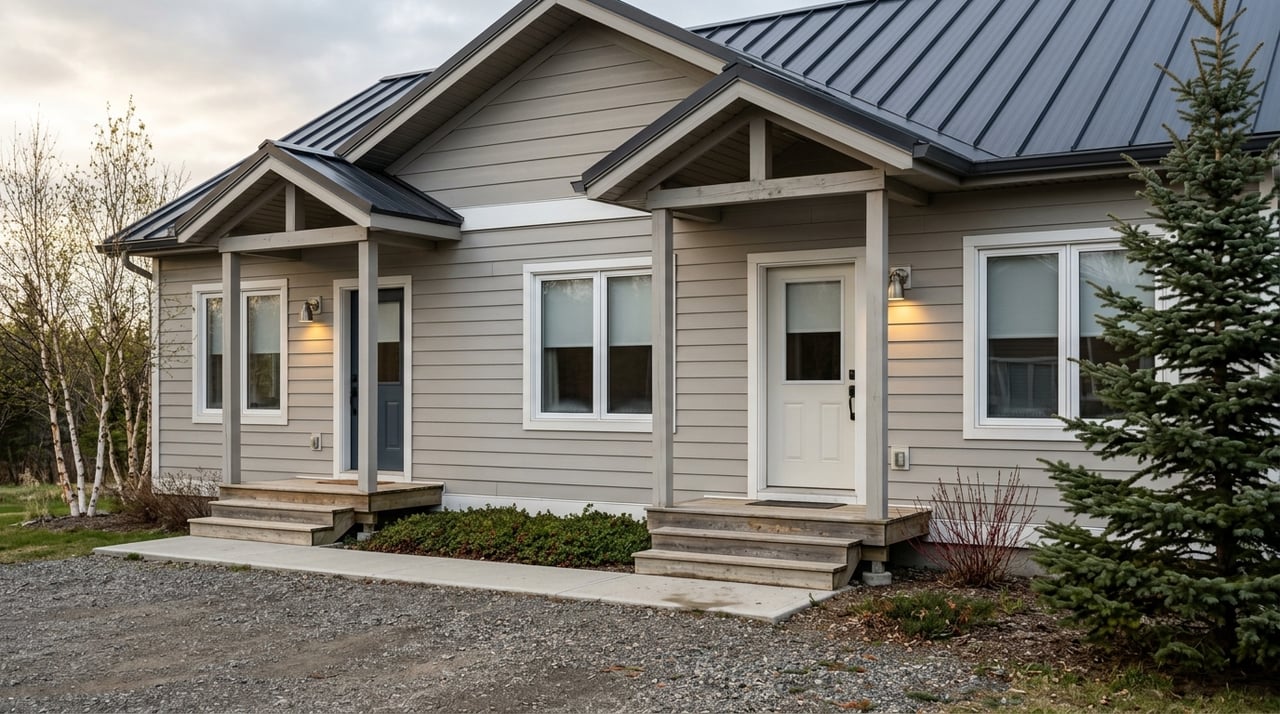
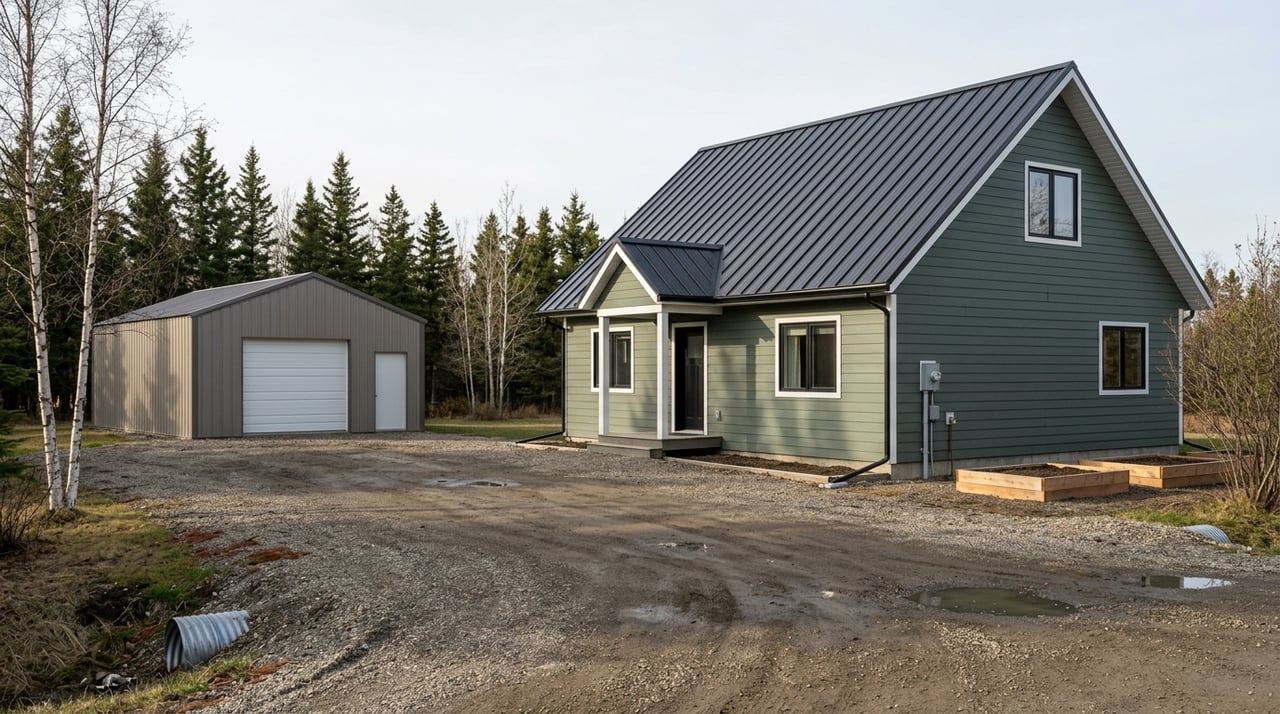
In Wasilla, this often looks less like a dense city investment property and more like a suburban-style duplex with more land, more parking, and utility details that need close review. Local listings show that duplexes may include features like multiple open parking spaces, separate utility setups, or larger lots that affect how the property functions day to day.
Wasilla also defines a duplex specifically in its municipal code as a building on a lot containing two dwelling units. The city’s zoning framework includes districts such as RR, R1, R2, and RM, with R2 allowing higher residential density than RR or R1, and RM as the highest-density residential district. The city also recommends checking zoning before you buy or lease, and it offers a free pre-application conference through its municipal code guidance.
Wasilla’s housing picture gives house-hack buyers a useful starting point, even if headline numbers should never replace property-specific analysis. The U.S. Census QuickFacts for Wasilla estimate an owner-occupied housing unit rate of 48.2% and a median gross rent of $1,153.
At the same time, the current market context described in your research shows asking rents around $1,800 and a median sale price around $469,000 as of February 2026. Those numbers come from different sources and timeframes, so they are best used as general context rather than exact underwriting inputs.
For you, the takeaway is simple: Wasilla may offer duplex opportunities where one unit’s rent can meaningfully offset your monthly payment. But the property has to work in the real world, not just on paper.
A simple house-hack example helps show why buyers are interested in duplexes. According to Freddie Mac’s April 9, 2026 market release, the average 30-year fixed mortgage rate was 6.37%.
Using that rate with 20% down, a $475,000 duplex would mean a $380,000 loan and about $2,369 per month in principal and interest. If the second unit rented for $1,800, the owner’s principal-and-interest burden would drop to about $569 per month before taxes, insurance, maintenance, and vacancy.
Using the same approach, a $679,000 duplex would mean a $543,200 loan and about $3,387 per month in principal and interest. If one unit rented for $1,800 to $1,995, the remaining principal-and-interest burden would be roughly $1,587 to $1,392 per month before other ownership costs.
That sounds powerful, but here is the key: these are directional examples, not promises. Rent data and sale-price data are not interchangeable, and the Census rent figure is very different from current asking-rent snapshots. Before you move forward on any duplex, you need fresh rent comparisons for that exact property type, condition, and location.
In Wasilla, the investment analysis goes beyond beds, baths, and price. Many local duplexes have Alaska-specific details that can materially change ownership costs and day-to-day management.
For example, local listings referenced in your research include properties with septic systems, public water, private roads, natural-gas heat, and large parking areas. Those details matter because they can affect maintenance, access, tenant expectations, and your monthly budget.
When you evaluate a Wasilla duplex, pay close attention to:
That last point is especially important. Some properties with a Wasilla mailing address are actually outside Wasilla city limits, which means city zoning rules may not apply the way you expect. Parcel-level verification is a smart step before you assume anything about use or zoning.
House hacking starts with the right property, but it also depends on the property being allowed to function the way you intend. Wasilla’s code and zoning framework make this a step you should handle early.
The city specifically recommends that buyers confirm zoning before purchasing or leasing. If you are looking at a duplex or planning to rent one unit, it is worth reviewing the applicable district and using the city’s pre-application conference option if you need clarity.
This is one of those Alaska real estate details that can save you time, money, and stress later. A good deal is only a good deal if the property use, location, and setup all line up.
Financing can shape whether a house-hack plan works. For many buyers, owner-occupied loan programs are what make the strategy possible.
FHA guidance from HUD says FHA-insured financing can be used for 2- to 4-unit properties. In most cases, the minimum required investment is 3.5%, at least one borrower must move in within 60 days, and the borrower must occupy the home for at least one year.
HUD also notes that rental income from a two-to-four-unit property may be counted when properly documented. That can be a major advantage if you are trying to qualify for a duplex while planning to live in one unit.
For eligible buyers, a VA-backed purchase loan can also be a strong fit. VA says purchase loans can be used for properties with up to four units as long as you will live in the home.
If the sales price is not above appraised value, there is no down payment requirement, and there is no PMI or MIP. VA guidance also says rental income from a multi-unit property may be considered when the veteran occupies one unit and has a reasonable likelihood of success as a landlord, along with six months of PITI reserves.
For military and veteran buyers, this can make a duplex one of the more interesting wealth-building options in Wasilla.
The USDA Section 502 Guaranteed Loan Program is generally a weaker fit for a classic duplex house hack. USDA says the property must be a primary residence in an eligible rural area and cannot be income-producing.
That does not mean you should rule anything out without asking questions, but it does mean you should confirm eligibility very carefully before building your plan around USDA financing for a rental-offset strategy.
The fastest way to reduce risk is to ask the right questions early. A duplex house hack has more moving parts than a standard single-family purchase, so a checklist-driven approach helps.
Based on the program rules in your research, ask:
These questions matter because FHA, VA, and USDA do not treat occupancy and rental income the same way.
You also want clear answers on the property itself:
In the Mat-Su area, these details can vary widely from one duplex to the next. Getting them right up front gives you a more realistic picture of monthly risk and long-term upside.
A Wasilla duplex can be a strong first step if your goal is to lower your housing costs while building equity and learning how income property works. The basic idea is simple, but the execution requires local awareness, careful property review, and a financing plan that fits your situation.
That is especially true in Alaska, where access, utilities, land use, and seasonal conditions can matter just as much as the purchase price. If you want help evaluating duplex opportunities in Wasilla and building a strategy around your timeline, connect with Tristan Smith Realty Group for a confidential consultation.
Rooted in trust, expertise, and sincere dedication, we bring a lifelong appreciation of what “home” means to every client and every move.